In a world where we're constantly overwhelmed by obligations and a fast pace of life, more and more people are searching for a deeper sense of meaning. In Japan, there's a special term for this: ikigai. The word combines "iki" (life) and "gai" (value, meaning)—together, it signifies the reason you get out of bed in the morning.
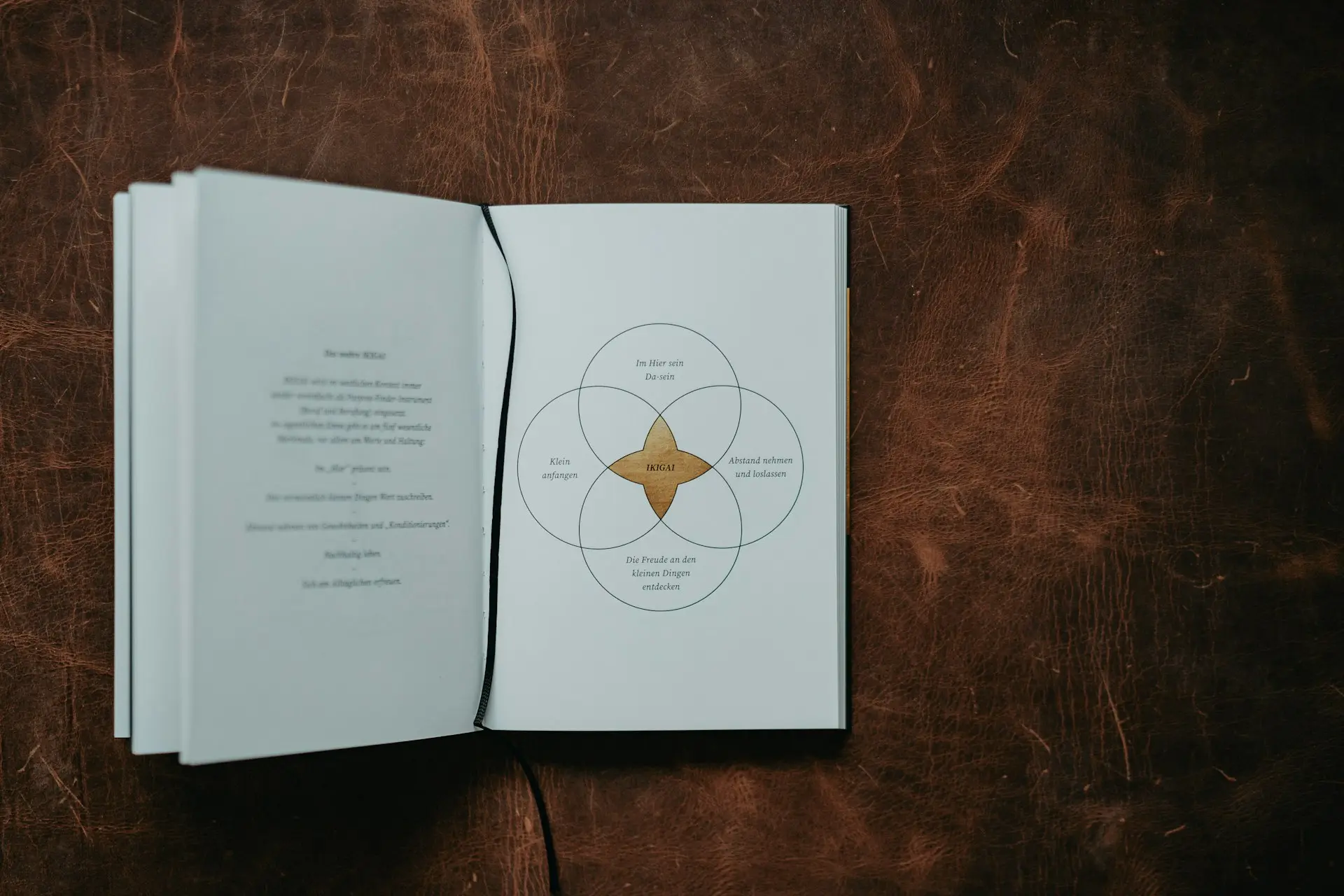
What Exactly is Ikigai?
Ikigai is often described as the point where four dimensions of our life intersect:
- What you love (your passions).
- What you are good at (your talents and skills).
- What the world needs (your contribution to society).
- What you can be paid for (your work or profession).
When these four paths cross, you find your ikigai—a sense of purpose and inner fulfillment, as described by multiple sources on the topic [What is Ikigai?].
Ikigai and Longevity
Researchers have long been fascinated by the residents of Okinawa, one of the so-called Blue Zones, where people live the longest and healthiest lives in the world. Alongside diet, exercise, and community, ikigai plays a crucial role in their vitality.
A study published in Psychosomatic Medicine in 2008 showed that older Japanese adults who reported having a strong sense of ikigai had a lower mortality rate over the next seven years compared to those without a clear sense of purpose. In other words, people who know why they live tend to live longer. You can read more about the study in this article on the
How to Find Your Ikigai
The path to ikigai is personal and can change throughout your life. Here are a few steps to help you in your search:
- Ask yourself: What truly brings me joy?
- Discover your gifts: What skills can I offer to others?
- Reflect on your contribution: How can I do something good for my community?
- Find balance: How can I connect this to my work?
Ikigai doesn't have to be connected to big goals. Sometimes, it's caring for a garden, creating art, or having a cup of tea with a friend.
Key Takeaway
Ikigai reminds us that life is most valuable when we live it with purpose. In a world that often measures success in numbers, this Japanese philosophy teaches us that true happiness lies in harmony, contribution, and the joy of everyday moments.
Perhaps today you can take a moment to ask yourself: What is my ikigai?